
Shadow

blog

Neuroimmunity and Autoimmune Diseases: New Integrated Perspectives Between Melatonin, Angiotensin 1-7 and Cannabidiol

Neuroimmunity and Autoimmune Diseases: New Integrated Perspectives Between Melatonin, Angiotensin 1-7 and Cannabidiol

Cure with PNEI, PNEI and Research, Recommended for you
An increasing body of scientific evidence is showing how deeply interconnected the immune, nervous, and endocrine systems are. Autoimmune diseases no longer appear to depend solely on a “local” immune alteration, but rather on a broader dysregulation involving the systems responsible for maintaining the body’s biological balance. A recent observational clinical study explored this perspective by evaluating the effectiveness of an integrated neuroimmune approach based on melatonin, angiotensin 1-7, and cannabidiol in patients with autoimmune diseases refractory to conventional treatments. The Role of the Neuro-Immune-Endocrine Network According to the psychoneuroendocrinoimmunology (PNEI) model, the brain, endocrine system, and immune system constantly communicate through shared biologica...
Neuroimmunity and Refractory Autoimmune Diseases: The Role of Melatonin, Angiotensin 1-7 and Cannabidiol

Neuroimmunity and Refractory Autoimmune Diseases: The Role of Melatonin, Angiotensin 1-7 and Cannabidiol

Cure with PNEI, PNEI and Research, Recommended for you
Autoimmune diseases represent one of the major challenges of modern medicine. In these conditions, the immune system loses the ability to distinguish self from non-self, generating a chronic inflammatory response directed against the body’s own tissues. In recent years, research in psychoneuroendocrinoimmunology (PNEI) has shown that these processes do not depend exclusively on the immune system, but also involve deep interactions with the nervous and endocrine systems. A recent observational clinical study explored this integrated perspective by evaluating the effectiveness of a neuroimmune therapy in patients with refractory autoimmune diseases who were unresponsive to conventional treatments. The Role of the Neuro-Immune-Endocrine Axis According to the study authors, many autoimmune d...
Science Discovers That the Brain Regenerates Even in Adulthood

Science Discovers That the Brain Regenerates Even in Adulthood

Cure with PNEI, PNEI and Research, Recommended for you
For decades, it was assumed that once adulthood was reached, the human brain could no longer produce new neurons. Today, a discovery by a team of scientists from the Karolinska Institutet has debunked this myth through a scientific study. Thanks to single-nucleus RNA sequencing and an artificial intelligence algorithm, the researchers demonstrated that progenitor cells and immature neurons exist in the hippocampus from early childhood up to the age of 78. This new neuronal growth, also known as neurogenesis, occurs in the dentate gyrus of the hippocampus—a fundamental part of the brain involved in learning, memory, and emotions. It is here that incoming information from the cortex is processed and transformed into memory traces. These scientists studied nearly half a million nuclei fr...
Neuroimmune Therapy for the Treatment of Cancer, Autoimmune, and Neurodegenerative Diseases

Neuroimmune Therapy for the Treatment of Cancer, Autoimmune, and Neurodegenerative Diseases

Cure with PNEI, PNEI and Research, Recommended for you, Senza categoria
Recent advances in psycho-neuro-endocrino-immunology suggest that many non-communicable diseases (NCD) originate from disruptions in the cytokine-based immune network (a complex system of communication and regulation among immune cells mediated by cytokines) leading to chronic inflammatory responses. This persistent low-grade inflammation is attributed to deficiencies in key endogenous anti-inflammatory neuroendocrine systems, including the pineal gland, the endocannabinoid system, and the angiotensin-converting enzyme 2 / angiotensin 1–7 axis. The administration of pineal methoxyindoles (melatonin, 5-methoxytryptamine), cannabinoids, and angiotensin 1–7 may offer potential therapeutic benefits for NCD, particularly in patients who are unresponsive to conventional treatments. From...
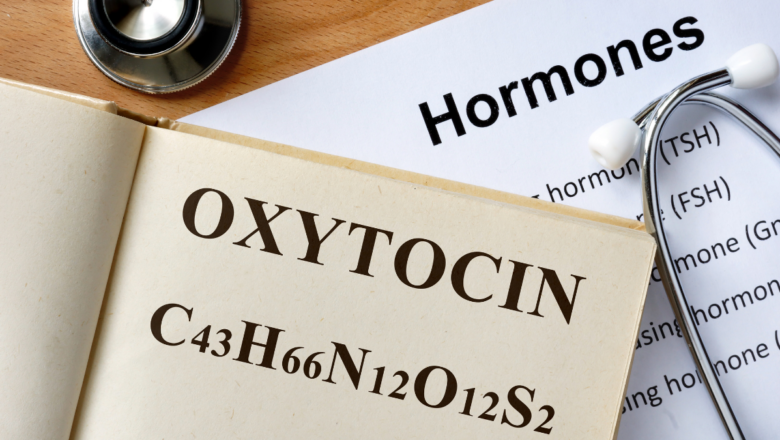
The Fundamental Role of Oxytocin in The Treatment of Human Depression

The Fundamental Role of Oxytocin in The Treatment of Human Depression

Cure with PNEI, PNEI and Research
Recent advances in Psychoneuroendocrinoimmunology have suggested that the serotonin deficiency associated with depression is the simple consequence of an enhanced activity of indole-2,3-dioxygenase (IDO), which transforms tryptophan into kynurenine instead of serotonin. Moreover, kynurenine, in addition to its neurotoxic action, has been shown to play an immunosuppressive activity by activating regulatory T lymphocytes (T reg). IDO expression is stimulated by IL-17, whose brain production appears to be under the regulatory control of the ACE-ACE2 system. An increased expression of ACE over ACE2 allows enhanced production of angiotensin II (Ang II) instead of angiotensin 1-7 (Ang 1-7). Ang II stimulates IL-17 secretion from glial cells, and IL-17 promotes the release of other inflammatory ...
Forever young

Forever young

PNEI and Research
How eating less can slow the aging process: Recent research shows why calorie reduction in mice gave them longer and healthier lives. Multi-billion-dollar industries, with their moisturizers, only go skin deep. Aging occurs deeper, at cellular level. (altro…)